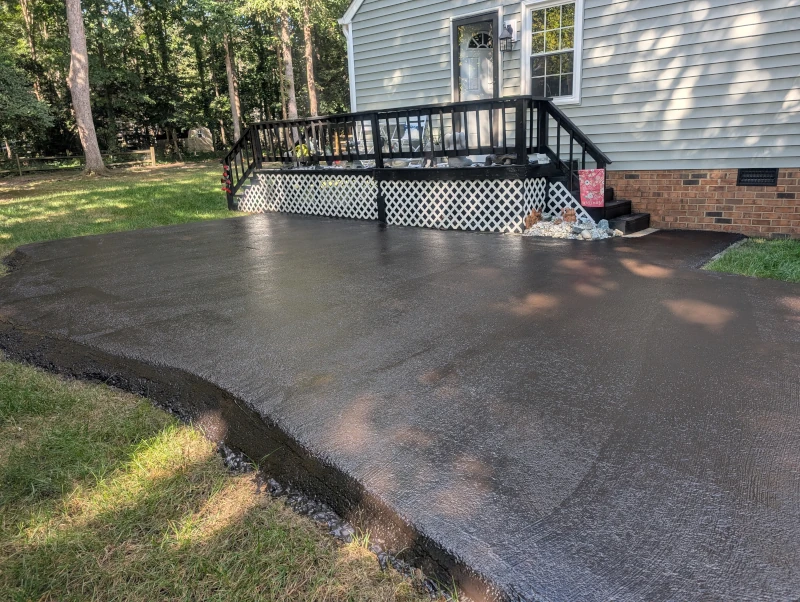
The best time to schedule sealcoating in Richmond this spring falls between mid-April and early The best time to schedule sealcoating in Richmond this spring falls between mid-April and early June, when daytime temperatures consistently reach 50°F or higher and overnight lows stay above freezing. Sealcoat material requires warm, dry conditions to cure properly. In Richmond, Virginia, this temperature window typically opens by late April and holds steady through the end of May, giving property owners a reliable six-to-eight-week period to protect their asphalt before summer heat and UV exposure accelerate surface degradation.
According to the National Asphalt Pavement Association (NAPA), sealcoating applied outside the recommended temperature range of 50°F to 85°F is significantly more likely to fail within the first year. Richmond’s spring climate, with average April highs of 68°F and May highs near 78°F, makes this region one of the most favorable in Virginia for early-season asphalt maintenance.
Why Spring Timing Matters For Sealcoating In Richmond
Richmond winters are tough on asphalt. Freeze-thaw cycles between December and March force water into hairline cracks, expand the damage, and leave surfaces vulnerable to potholes and structural failure. By the time spring arrives, most driveways, parking lots, and commercial surfaces show visible wear that worsens rapidly without intervention.
Scheduling sealcoating in spring accomplishes two critical goals. First, it repairs the protective barrier that winter destroyed. Second, it shields the surface before Richmond’s intense summer UV exposure and temperatures above 90°F begin breaking down unprotected asphalt binder.
The Federal Highway Administration (FHWA) estimates that preventive pavement maintenance, including sealcoating, extends asphalt life by 50% to 100% compared to reactive repairs. For Richmond property owners, that translates to thousands of dollars in avoided repaving costs over a 10-to-15-year surface lifecycle.
Ideal Temperature And Weather Conditions For Sealcoating
Sealcoat is a water-based emulsion. It cures through evaporation, which means temperature, humidity, and precipitation all directly influence the final result. Here are the conditions your contractor should verify before application.
| Condition | Requirement for Proper Cure |
| Air Temperature | 50°F to 85°F during and 24 hours after application |
| Surface Temperature | Above 50°F at time of application |
| Overnight Low | Must remain above 40°F for proper film formation |
| Rain Forecast | No precipitation within 24 to 48 hours after application |
| Humidity | Below 80% relative humidity for optimal evaporation |
| Wind | Light breeze (5 to 15 mph) aids drying; high wind causes uneven coverage |
Richmond’s average relative humidity in April sits around 65%, rising to 74% in May. Early-to-mid spring typically offers the driest conditions before the region’s wetter summer pattern begins in late May and June. Scheduling before this shift maximizes your chances of uninterrupted curing.
Richmond Spring Weather: A Month-By-Month Sealcoating Guide
March: Too Early For Most Applications
Richmond’s average March high is 56°F, with overnight lows frequently dipping into the mid-30s. While occasional warm spells can push daytime readings above 60°F, the overnight freeze risk makes March unreliable for sealcoating. Applying sealer when temperatures drop below 40°F overnight causes incomplete curing and premature failure.
April: The Window Opens
By mid-April, Richmond’s average high reaches 68°F with lows around 49°F. This temperature profile meets the minimum requirements for sealcoat application. April typically sees about 10 days with measurable precipitation, so dry windows of three to five consecutive days are common enough to schedule work confidently.
Property owners who schedule in April gain a strategic advantage: contractors are less booked, pricing is typically more competitive, and the work gets done before peak construction season drives demand higher.
May: The Sweet Spot
May is the optimal month for sealcoating in Richmond. Average highs reach 78°F and lows stay near 58°F, providing consistent warmth for rapid, even curing. Daylight extends to over 14 hours, giving contractors more working time per day and allowing the sealer to benefit from sustained solar heat during the critical first 24 hours.
However, May also marks the beginning of Richmond’s wetter season. Rainfall increases compared to April, so booking early in the month provides the best combination of warmth and dry conditions.
Early June: The Last Reliable Window
The first two weeks of June still offer strong sealcoating conditions. After mid-June, afternoon thunderstorms become frequent across Central Virginia, creating scheduling challenges and increasing the risk of rain damage to freshly applied sealer.
Signs Your Richmond Asphalt Needs Sealcoating This Spring
Not sure whether your surface is due for maintenance? Inspect it for these indicators after winter clears.
- Faded, gray appearance. Fresh asphalt is deep black. When the surface turns gray, UV oxidation has degraded the binder and the surface is unprotected.
- Hairline cracking (alligator pattern). Interconnected surface cracks indicate the top layer is drying out. Sealcoating fills and seals these before water penetration causes structural damage.
- Rough, brittle texture. If the surface feels gritty or aggregate is visible, the asphalt binder has worn away. Sealcoating restores the smooth, flexible surface layer.
- Standing water or puddling. Low spots that hold water after rain accelerate deterioration. Sealcoating combined with asphalt patching addresses both the surface protection and drainage issues.
- Previous sealcoat is 2+ years old. Industry best practice, supported by NAPA guidelines, recommends resealing every two to three years depending on traffic volume and sun exposure.
Commercial vs. Residential Sealcoating Timing in Richmond
The scheduling calculus differs for commercial and residential properties. Both require the same weather conditions, but operational considerations add complexity for business owners.
| Factor | Residential Driveways | Commercial Parking Lots |
| Ideal Timing | Mid-April through May | Late April through early June |
| Cure Time | 24 to 48 hours with no vehicle traffic | 48 to 72 hours; may require phased application |
| Scheduling Flexibility | High; homeowner controls access | Lower; must coordinate with business hours and tenants |
| Pre-Work Needed | Crack filling, cleaning | Crack filling, striping removal, patching |
Commercial property managers should coordinate sealcoating with their spring parking lot maintenance checklist to consolidate downtime and reduce overall project costs. Addressing crack repair, drainage issues, and post-winter damage before the sealcoat application ensures the best adhesion and longest service life.
How to Prepare Your Asphalt for Spring Sealcoating
Proper surface preparation determines 80% of your sealcoat’s long-term performance. Even the highest-quality sealer will fail if applied over a dirty, damaged, or moisture-laden surface.
- Step 1: Clean the surface thoroughly. Remove all dirt, debris, oil stains, and vegetation. Power washing is recommended for commercial lots. Allow the surface to dry completely before application.
- Step 2: Fill cracks and repair damage. Any crack wider than a quarter inch should be filled with hot-pour rubberized crack filler. Potholes and depressions require asphalt patching before sealcoating.
- Step 3: Address oil spots. Petroleum-based stains prevent sealer adhesion. These areas must be treated with a primer or oil spot sealer before the main application.
- Step 4: Check the weather forecast. Confirm at least 48 hours of dry weather with temperatures above 50°F before scheduling the application date.
The Cost Of Waiting: Why Delaying Sealcoating Gets Expensive
Procrastination is the most expensive asphalt maintenance strategy. According to the Asphalt Institute, every dollar spent on preventive maintenance saves $6 to $10 in future repair or replacement costs.
For a typical Richmond driveway, sealcoating costs a fraction of what repaving the same surface would run. Contact us for a free estimate based on your driveway’s size and condition.
For commercial properties, the math is even more compelling. Sealcoating a parking lot costs a small percentage of what full-depth repaving would require. Protecting that investment with biennial sealcoating is one of the highest-ROI maintenance decisions a property owner can make.
Choosing a Sealcoating Contractor in Richmond, VA
Not all sealcoating jobs deliver the same results. The difference between a five-year lifespan and a two-year failure often comes down to contractor quality. Here is what to evaluate.
- Material quality. Professional-grade coal tar or asphalt emulsion sealers outperform big-box store products by a wide margin. Ask your contractor what product they use and at what dilution ratio.
- Surface preparation. Any contractor who skips crack filling, cleaning, or oil spot treatment is cutting corners that will cost you later.
- Application method. Spray application provides the most uniform coverage on large commercial surfaces. Squeegee application works well for residential driveways and smaller areas.
- Two-coat application. A single coat of sealer provides minimal protection. Two coats applied with adequate dry time between them is the industry standard for lasting results.
- Local experience. A contractor familiar with Richmond’s specific climate patterns, soil conditions, and building codes will deliver better results than a generic national franchise. Check their past work and local reviews.
Sealcoating Services Across Greater Richmond
Spring sealcoating demand peaks quickly across Central Virginia. Property owners in Henrico, Chesterfield, Midlothian, Mechanicsville, Short Pump, Glen Allen, and Bon Air should schedule early to secure preferred dates. Contact us for a free estimate before the spring rush fills our calendar.
Frequently Asked Questions
What month is best for sealcoating in Richmond, VA?
May is the optimal month for sealcoating in Richmond. Average daytime highs of 78°F and overnight lows near 58°F provide ideal curing conditions. Late April and early June also work well, but May offers the best balance of warmth and lower rainfall probability.
Can you sealcoat in April in Virginia?
Yes, sealcoating is possible in Richmond starting mid-April when daytime temperatures consistently exceed 50°F. However, overnight lows can still dip into the low 40s during early April, so monitoring the extended forecast is essential before scheduling.
How long does sealcoating take to dry in spring weather?
Under ideal spring conditions (65°F to 80°F, low humidity, full sun), sealcoat typically dries to the touch within 4 to 8 hours. However, full cure takes 24 to 48 hours. Vehicle traffic should be kept off the surface for at least 24 hours, and 48 to 72 hours is recommended for parking lots with heavy use.
How often should I sealcoat my driveway in Richmond?
Industry guidelines from NAPA recommend sealcoating every two to three years for residential driveways and every one to two years for high-traffic commercial surfaces. Richmond’s combination of summer UV intensity and winter freeze-thaw cycles places asphalt under above-average stress, making the two-year interval a smart default for most properties.
Does rain ruin freshly applied sealcoat?
Yes. Rain within 24 hours of application can wash away uncured sealer, create streaking, and destroy adhesion. Most professional contractors require a 48-hour dry weather window before scheduling. If unexpected rain hits during curing, a full reapplication is typically necessary.
How Much Does Sealcoating Cost In Richmond?
Sealcoating costs vary based on the size of the surface, its current condition, and any prep work needed (crack filling, patching, cleaning). Residential driveways and commercial parking lots are priced differently, with volume considerations for larger surfaces. The best way to get an accurate number is to request a free estimate. What we can say is that sealcoating consistently costs a fraction of what full asphalt repaving would run.
Schedule Your Spring Sealcoating Before the Rush
Richmond’s spring sealcoating window is limited. The best dates fill quickly, especially during May when conditions are ideal. Whether you need driveway sealcoating, commercial sealcoating, or a full parking lot maintenance plan, early booking ensures priority scheduling and the best pricing.RVA Asphalt Sealcoating serves Richmond and surrounding communities including Highland Springs, Chester, Laurel, and Tuckahoe. Request your free estimate today and protect your asphalt investment before summer arrives.