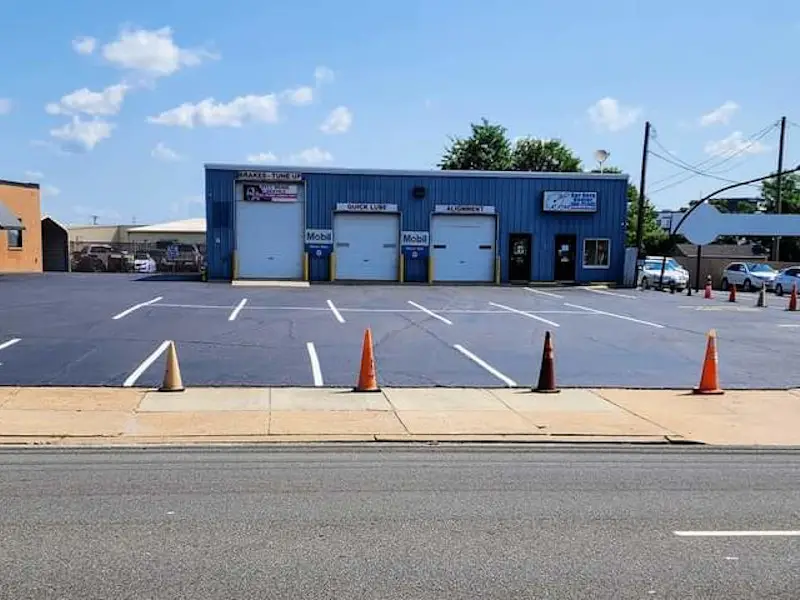
Parking Lot Striping in Richmond, VA
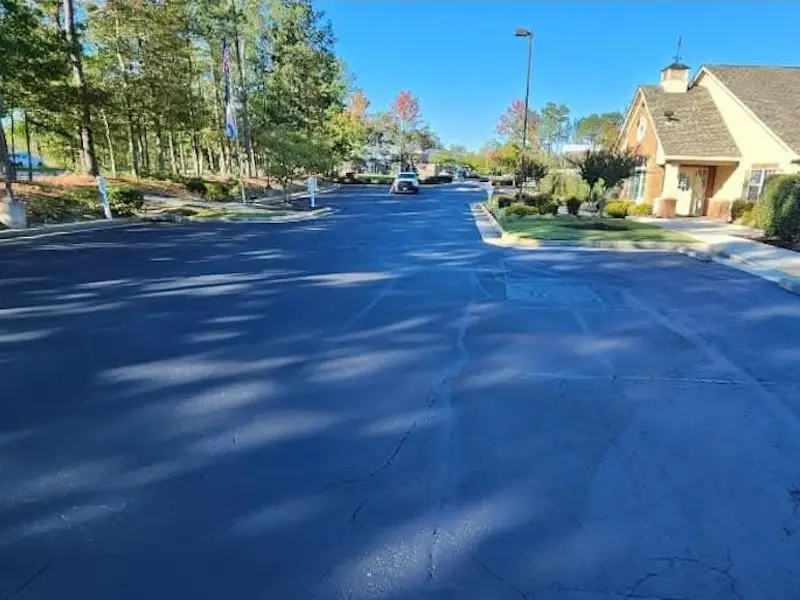
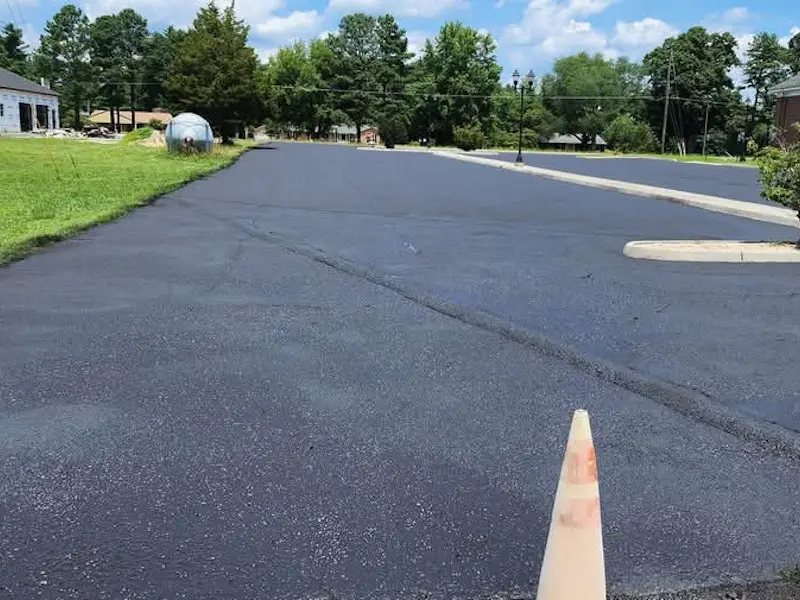
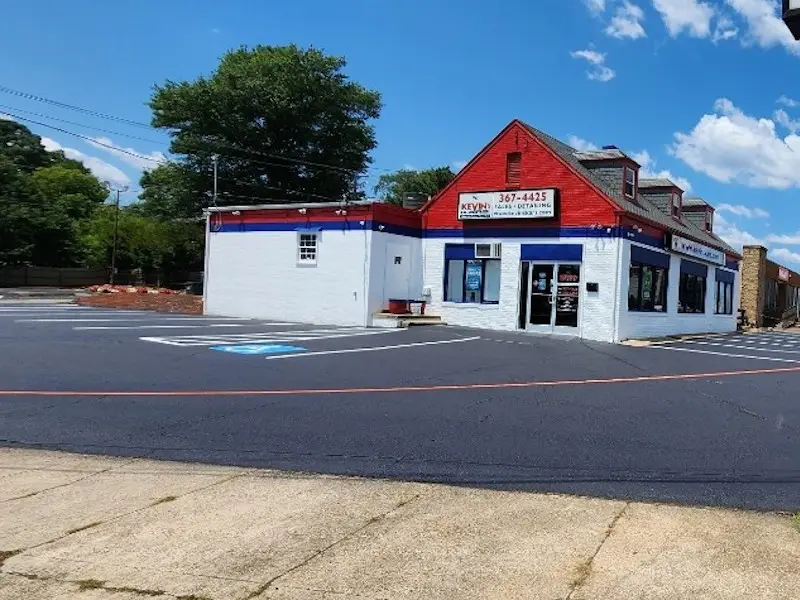
RVA Asphalt Sealcoating lays out, re-stripes, and ADA-marks commercial parking lots across the Richmond, VA metro using durable, high-visibility traffic paint, a family-owned, fully insured contractor with deep local experience. Clear striping keeps traffic flowing, meets ADA requirements, and protects your property from accessibility and liability issues, all built to hold up against Richmond’s traffic and weather.
Parking Lot Striping by Project Type
Striping work falls into a few distinct needs, and each starts from a different place.
- New layouts — Strategic designs for new or redesigned lots that maximize stalls, improve traffic flow, and build in ADA compliance from the start.
- Re-striping — Refreshing faded lines on an existing layout to restore clarity, safety, and a maintained appearance.
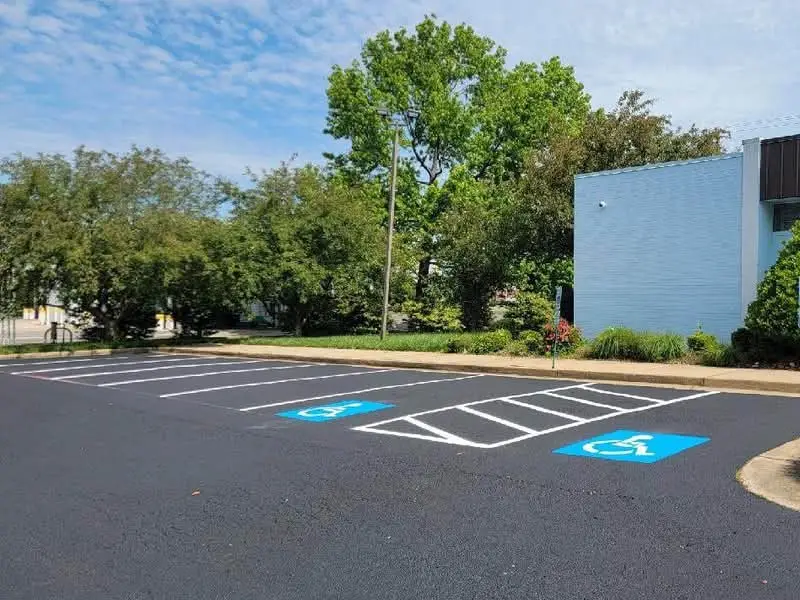
- ADA and accessibility markings — Correctly sized accessible stalls, van-accessible spaces, and access aisles that meet current requirements.
- Specialty markings — Directional arrows, crosswalks, fire lanes, loading zones, reserved stalls, and EV charging spaces.
- Seal and stripe — Fresh sealcoat followed by new striping in one coordinated visit, restoring both protection and clear organization.
Signs Your Lot Needs Striping
Here are the six symptoms that tell a Richmond property owner it is time to re-stripe.
Lines faded or barely visible
Root cause: Roughly 2,830 hours of annual sunshine and constant tire wear break down striping paint over time.
Client solution: We re-stripe with durable, high-visibility paint suited to Richmond’s UV exposure and traffic.
Drivers parking crooked or ignoring lanes
Root cause: When markings fade, the lot loses its organization and traffic pattern.
Client solution: We restore crisp lines and directional markings so the layout guides drivers again.
Accessible stalls unclear or non-compliant
Root cause: Worn or outdated ADA markings expose the property to accessibility complaints and liability.
Client solution: We re-mark accessible stalls, van spaces, and access aisles to current ADA sizing and layout requirements.
Fire lanes or loading zones unreadable
Root cause: Faded safety markings create hazards and can create code issues.
Client solution: We repaint fire lanes, loading zones, and other specialty markings clearly.
New tenant, use, or lot expansion
Root cause: A changed use or footprint means the old layout no longer fits traffic and parking demand.
Client solution: We design a new layout that maximizes usable stalls while keeping traffic flow safe.
Freshly sealed surface with no lines yet
Root cause: Sealcoating covers the previous striping and the lot needs re-marking.
Client solution: Our seal-and-stripe service applies new striping over the fresh sealcoat in one coordinated project.
ADA Parking Compliance
ADA striping isn’t just paint — it’s a federal requirement, and non-compliant accessible parking is one of the most common reasons commercial property owners face complaints and lawsuits. Faded lines, missing van stalls, and undersized aisles are the easiest violations for anyone to spot. Here’s what your lot has to satisfy, and what we make sure it does.
How many accessible spaces you need
The required count is based on the total spaces in each parking facility — calculated per lot, not lumped across your whole site, which is a common and costly mistake. As a starting point: up to 25 spaces requires 1 accessible stall, 26 to 50 requires 2, and 76 to 100 requires 4, scaling up from there. We run the exact count for your specific lot.
The van-accessible rule most lots miss
At least 1 of every 6 accessible spaces (rounded up) must be van-accessible — wider, with a larger access aisle and taller vertical clearance. Plenty of lots have “some” accessible stalls but zero compliant van stalls, which is a violation on its own.
The details that make a stall genuinely compliant
- Access aisles — a marked 5-foot striped aisle beside each accessible stall (8 feet for van), hatched so no one parks in it.
- Signage — the International Symbol of Accessibility mounted with the bottom of the sign at least 60 inches off the ground; van stalls need an added “Van Accessible” sign.
- Vertical clearance — 98 inches of height for van spaces and the route serving them, so lift-equipped vehicles fit.
- Accessible route — a safe, connected path from the stall to the entrance that doesn’t force someone behind parked cars or over a curb.
- Surface — firm, stable, slip-resistant, and close to level.
Why it’s worth getting right the first time
Non-compliant accessible parking invites both federal enforcement and private lawsuits, and the fixes — restriping, resized aisles, new signage — are far cheaper done proactively than after a complaint lands. We treat ADA parking as a layout-and-compliance project, not just paint on asphalt, and hand your lot back marked to current standards.
Striping Paint Comparison
The paint you choose affects how long the lines last and how fast the lot reopens. This table frames the common options.
| Factor | Waterborne Traffic Paint | Solvent-Based Paint | Thermoplastic |
|---|---|---|---|
| Durability | Good for standard lots | Good, holds in cooler conditions | Longest-wearing |
| Dry time | Fast in warm, dry weather | Fast | Bonds on application when applied hot |
| Best application | Most commercial parking lots | Cooler-weather or specific-surface jobs | High-traffic lanes, crosswalks, heavy-wear markings |
| Visibility | High | High | High, with reflective options |
| Local note | Common choice for Richmond lots | Situational | Often reserved for high-wear markings |
Why Richmond Businesses Choose RVA Asphalt Sealcoating
- ADA and local compliance focus — Layouts kept current with accessibility requirements so you avoid legal and access issues.
- Precise, durable results — High-visibility paint applied with professional equipment for lines that last under heavy traffic.
- Family-owned accountability — Direct communication with the people planning and painting your lot.
- Fully insured work — Your property and our crew are covered.
- One-stop seal and stripe — Sealcoating and striping handled together in a single coordinated project.
- Layout expertise — Designs that maximize stalls and traffic flow for your specific property.
Our Parking Lot Striping Process
- Consultation and planning — We assess the lot and develop a layout that maximizes space, improves safety, and meets ADA and local requirements.
- Preparation — We clean the asphalt to remove dirt and debris so paint adheres and lasts.
- Application — We apply sharp, high-visibility markings with professional-grade equipment built to withstand heavy traffic.
- Final walkthrough — We inspect every marking against our standards and your expectations before we finish.
Parking Lot Striping FAQ
Frequency and Timing
How often should a parking lot be re-striped? Most commercial lots benefit from re-striping every 1 to 3 years depending on traffic and sun exposure, and always after sealcoating. Faded lines and worn ADA markings are the clearest signals.
How long does striping take? Most lots are striped in a day, and we often schedule around your hours or overnight so the lot is ready when you open. Paint needs dry time before traffic returns.
Should I seal before I stripe? Yes, when both are due. Sealcoating covers old lines, so applying fresh striping over the new sealcoat gives the cleanest, longest-lasting result.
Do you handle ADA-compliant layouts? Yes. We mark accessible stalls, van-accessible spaces, and access aisles to current ADA sizing and layout rules, and keep up with local requirements.
Can you design a layout for a new lot? Yes. We develop layouts that maximize stalls and traffic flow while building in required accessibility and safety markings from the start.
What specialty markings can you paint? Directional arrows, crosswalks, fire lanes, loading zones, reserved and numbered stalls, and EV charging spaces, among others.
Does Richmond weather affect how long striping lasts? Yes. High summer UV and constant tire wear fade paint over time, so we use durable, high-visibility products chosen for local conditions.
When is the best time to stripe in Richmond? Paint bonds and dries best in warm, dry conditions, so the warmer months are ideal, and we avoid painting when rain or cold would interfere with curing.