Commercial Sealcoating in Richmond, VA
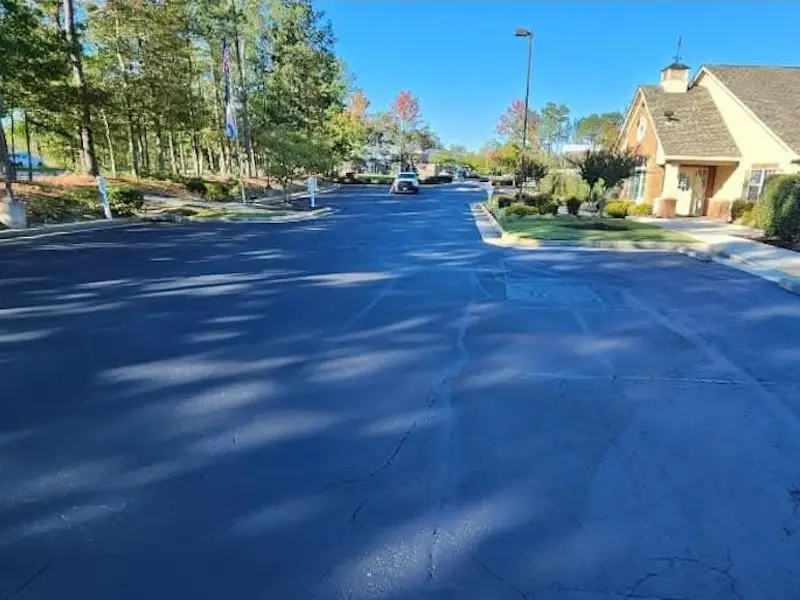
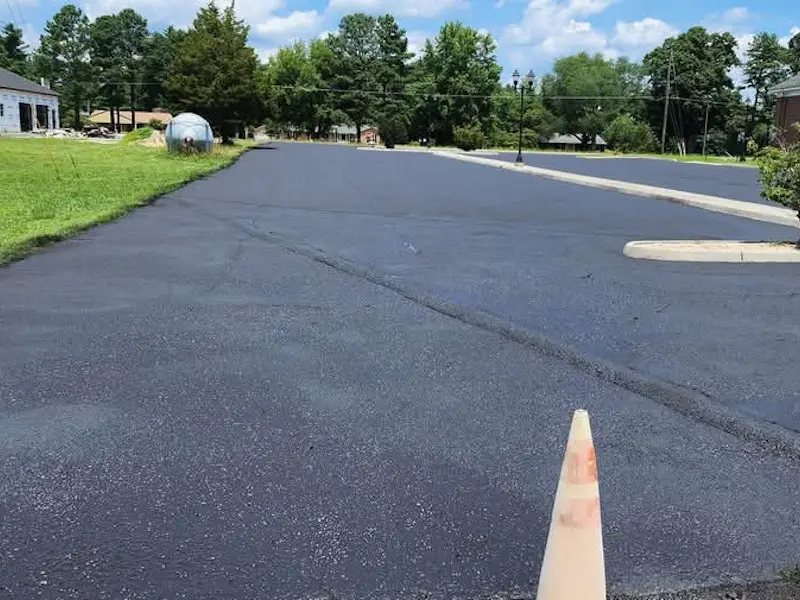
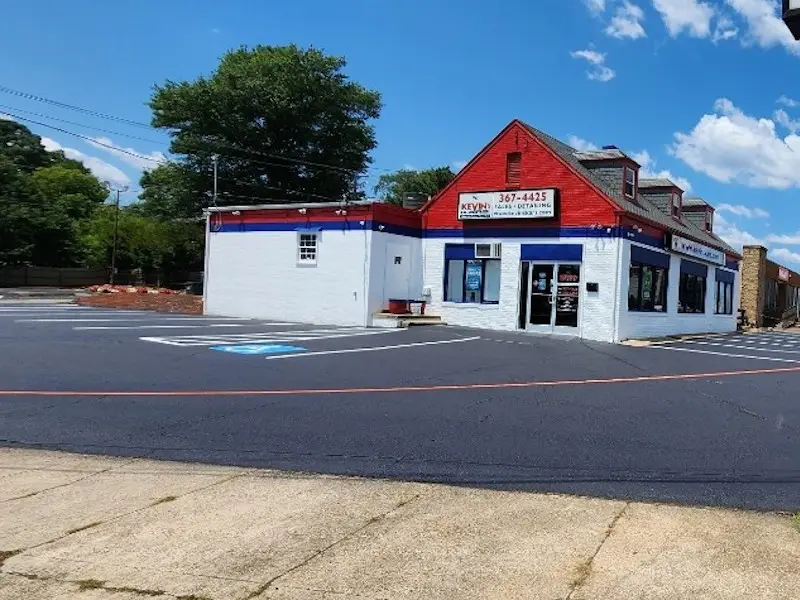
RVA Asphalt Sealcoating applies protective sealcoat to commercial parking lots across the Richmond, VA metro, a family-owned, fully insured contractor with deep local experience. Sealcoating shields asphalt from the oxidation, water intrusion, and fuel and oil damage that Richmond’s high-UV summers and freeze-thaw winters accelerate, extending pavement life and keeping your lot looking maintained.
Trust badges: Fully Insured • Family-Owned • Flexible Scheduling • Serving Richmond & Virginia Beach
Commercial Sealcoating by Property Type
Traffic volume, not lot size, sets the right sealcoating rhythm.
- Retail, grocery, and restaurant lots — High turnover and fuel and oil drips call for a tighter reseal cycle, roughly every 2 to 3 years, to hold up under constant use.
- Office complexes and apartment communities — Lower daily traffic supports a longer cycle, about every 3 to 4 years.
- Industrial and fleet yards — Chemical exposure and heavy tires make the protective barrier especially valuable between resurfacing cycles.
- HOA and property-management portfolios — Coordinated scheduling across multiple lots keeps every property on a consistent maintenance plan.
Signs Your Lot Needs Sealcoating
These are the six symptoms that tell a Richmond property owner the protective layer has worn thin.
Color faded from black to gray
Root cause: Richmond’s roughly 2,830 annual sunshine hours oxidize the asphalt binder; graying is the visible sign the surface is drying out.
Client solution: We clean and reseal to restore the protective, UV-resistant surface before oxidation turns into cracking.
Surface feels rough or sheds loose stone Root cause: Raveling, aggregate working loose, means the binder is failing at the surface. Client solution: We assess whether sealcoating alone is enough or whether minor repair is needed first, then seal.
Hairline cracks spreading
Root cause: Small surface cracks let water in, and Richmond’s near-freezing winters expand that water repeatedly until cracks widen.
Client solution: We fill qualifying cracks and seal to keep water out before the freeze-thaw cycle enlarges them.
Dark oil and fuel stains soaking in
Root cause: Petroleum products dissolve the asphalt binder from the top down.
Client solution: Sealcoating lays a barrier that resists fuel and oil penetration, protecting the pavement beneath.
Water soaking in instead of beading
Root cause: A worn surface absorbs rather than sheds water, and with about 45 inches of annual rain here, that moisture drives deterioration.
Client solution: A fresh sealcoat restores a water-resistant surface that sheds Richmond’s frequent rain.
Last sealcoat is 3+ years old on a busy lot
Root cause: Protection wears off on a schedule set by traffic, not just appearance.
Client solution: We put your lot on a reseal cycle matched to its traffic, 2 to 3 years for high-volume sites, 3 to 4 for lighter ones.
Seal & Stripe — Done in One Visit
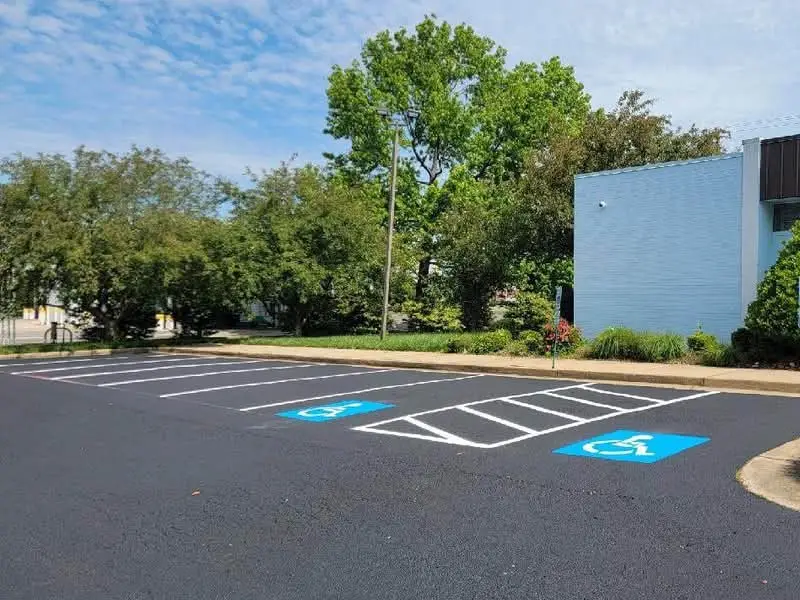
When we sealcoat a lot, the fresh coating covers your existing parking lines — which means restriping isn’t an add-on, it’s the natural finish of the job. We seal and restripe in a single mobilization, so you get a uniform black surface with crisp, compliant markings without booking two separate crews or closing your lot twice.
- Reset your layout — restore the full stall count and clean traffic flow while the lot is already down.
- Refresh critical markings — fire lanes, directional arrows, crosswalks, and loading zones brought back to full visibility.
- Bring ADA up to standard — correctly sized accessible stalls, access aisles, and signage that keep your property compliant and reduce liability.
- One closure, one invoice, one accountable crew — instead of coordinating a sealcoat now and a striping job later.
For most commercial lots, seal-and-stripe together is simply the smart way to do it.
Sealer Material Comparison
Two sealer families dominate commercial work. This table frames the trade-offs so you can confirm the right choice for your lot.
| Factor | Coal Tar Emulsion | Asphalt (Refined Tar) Emulsion |
|---|---|---|
| Fuel and oil resistance | Excellent | Good |
| UV and oxidation resistance | Excellent | Good |
| Cure time | Fast in warm, dry conditions | Fast in warm, dry conditions |
| Odor and VOC profile | Stronger; restricted in some jurisdictions | Lower odor; more broadly permitted |
| Best application | High-traffic lots with heavy fuel and oil exposure | Sites favoring lower odor and emissions |
| Local note | Confirm current Virginia and locality rules before specifying | Often preferred where restrictions apply |
Benefits of Sealcoating
Reduces Ownership Costs – Sealcoating is preventive maintenance that helps reduce long-term repair costs and extends the lifespan of your parking lot.
Protects Against Oxidation – Asphalt loses its flexibility as it oxidizes, making it prone to cracking and breaking. Sealcoating slows this process and keeps your pavement strong.
Shields from Chemicals – Fuel, oil, and other chemicals can deteriorate asphalt surfaces over time. Sealcoating creates a protective barrier to prevent damage.
Enhances Appearance – A fresh coat of sealant makes your parking lot look new, clean, and well-maintained, boosting your property’s curb appeal.
By investing in regular sealcoating, you ensure a safer, longer-lasting surface while maintaining a professional and welcoming appearance for customers and employees alike.
Why Richmond Businesses Choose RVA Asphalt Sealcoating
- Flexible scheduling — We work around your business hours to keep the lot usable during application.
- Fully insured work — Your property and our crew are covered throughout the project.
- Family-owned accountability — Direct communication with the people doing the work.
- Local climate expertise — Reseal cycles and timing set for Richmond’s UV load, rainfall, and freeze-thaw winters.
- Full-service maintenance — Paving, repair, and seal-and-stripe coordinated together.
- Preventive focus — We time sealcoating to reduce long-term repair scope, not just refresh appearance.
Our Commercial Sealcoating Process
- Inspection — We assess surface condition, staining, and any cracks or damage that must be handled first.
- Cleaning — We clear the lot of dirt, debris, and loose material so the sealer bonds properly.
- Prep and crack treatment — We treat qualifying cracks and prime oil-stained areas before sealing.
- Application — We apply the sealcoat evenly, phasing sections so the lot stays as accessible as possible.
- Cure and reopen — We advise on cure time based on temperature and humidity, then reopen the lot on schedule.
Commercial Sealcoating FAQ
Frequency and Timing
How often should I sealcoat my commercial lot? High-traffic lots such as retail, grocery, and restaurants do best resealed every 2 to 3 years. Lower-traffic office and apartment lots can go 3 to 4 years.
How long does sealcoating a lot take? Most lots can be completed in a day if the whole lot can close. When full closure isn’t practical, we schedule sections to keep the lot accessible while the work finishes efficiently.
Should I sealcoat a brand-new lot? Not right away. New asphalt needs about six months to cure before its first sealcoat, so the coating adheres and performs.
Process
Do you fix cracks before sealing? Yes. Sealcoating fills only hairline cracks; larger cracks are treated first so water stays out and the finish stays smooth.
Can you sealcoat without closing our whole lot? Yes. We phase the work by section around your business hours so operations continue while each area cures.
What surface prep is required? The lot must be cleaned of dirt, debris, and loose stone, with oil stains primed, so the sealer bonds to sound asphalt.
Climate
When is the best time of year to sealcoat in Richmond? Sealcoat cures best in warm, dry conditions, so the stretch from late spring through early fall is ideal. We avoid application when overnight temperatures or rain would interfere with curing.
Why does sealcoating matter so much in Richmond’s climate? High summer UV oxidizes unsealed asphalt, about 45 inches of yearly rain drives water in, and near-freezing winters expand that water in cracks. Sealcoating addresses all three by restoring a UV- and water-resistant barrier.
Does sealcoating really extend pavement life? Yes. As preventive maintenance it slows oxidation, blocks water and chemical intrusion, and reduces how often you need larger repairs, stretching the usable life of the lot.